
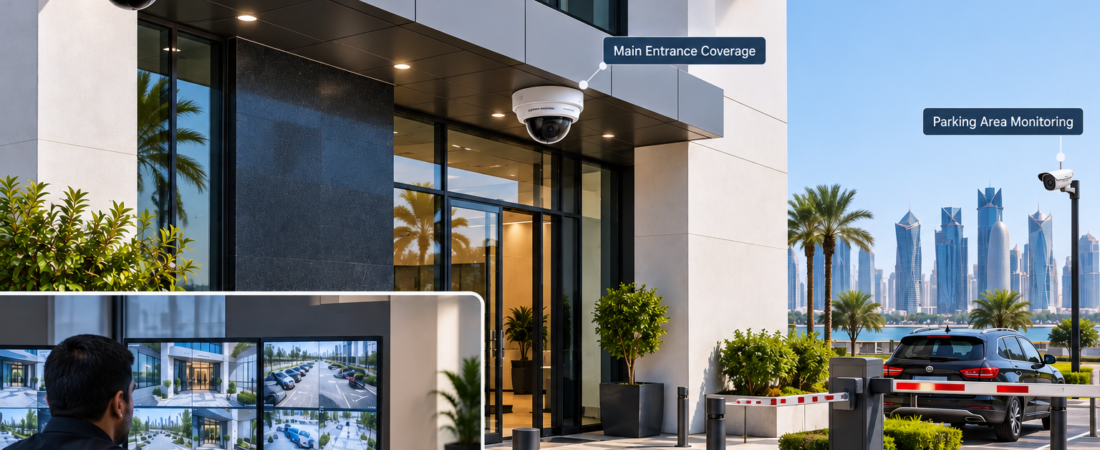
CCTV Security Systems
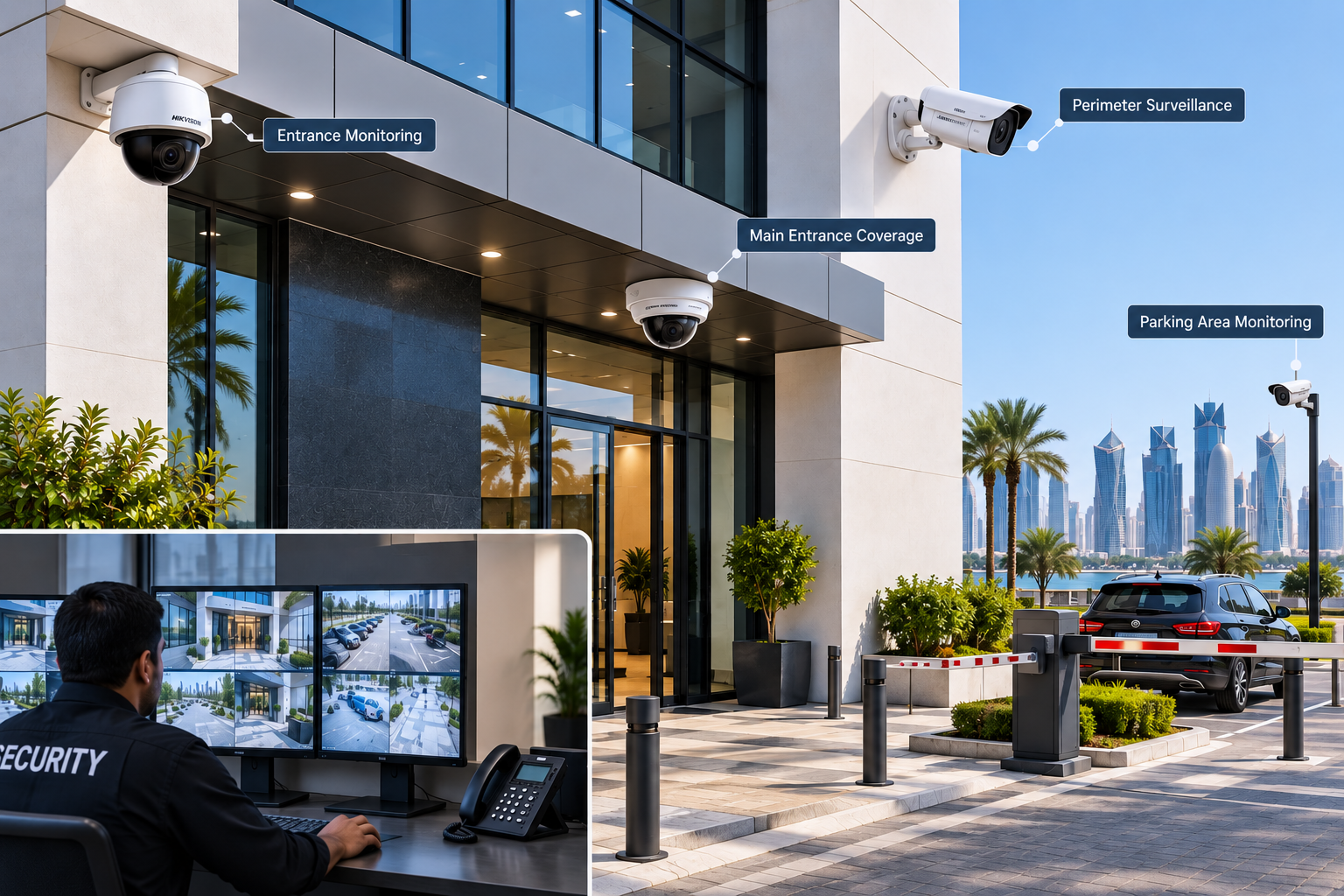
A CCTV system can be one of the most useful security investments a business makes but only when it is planned properly. Installing cameras in a few convenient locations may look sufficient at first, but blind spots, poor lighting, limited storage, or unsuitable equipment can quickly reduce the system’s value.
Before investing in CCTV security systems in Qatar, businesses need to look beyond the number of cameras they want to install. Camera type, placement, recording capacity, connectivity, remote monitoring, compliance, and maintenance all play a role in how well a surveillance system performs.
Whether you manage a retail shop, office, warehouse, commercial building, or other facility, taking some time to plan the system beforehand can help you get better coverage without spending money on equipment you do not actually need.
Why CCTV Security Systems Matter for Businesses
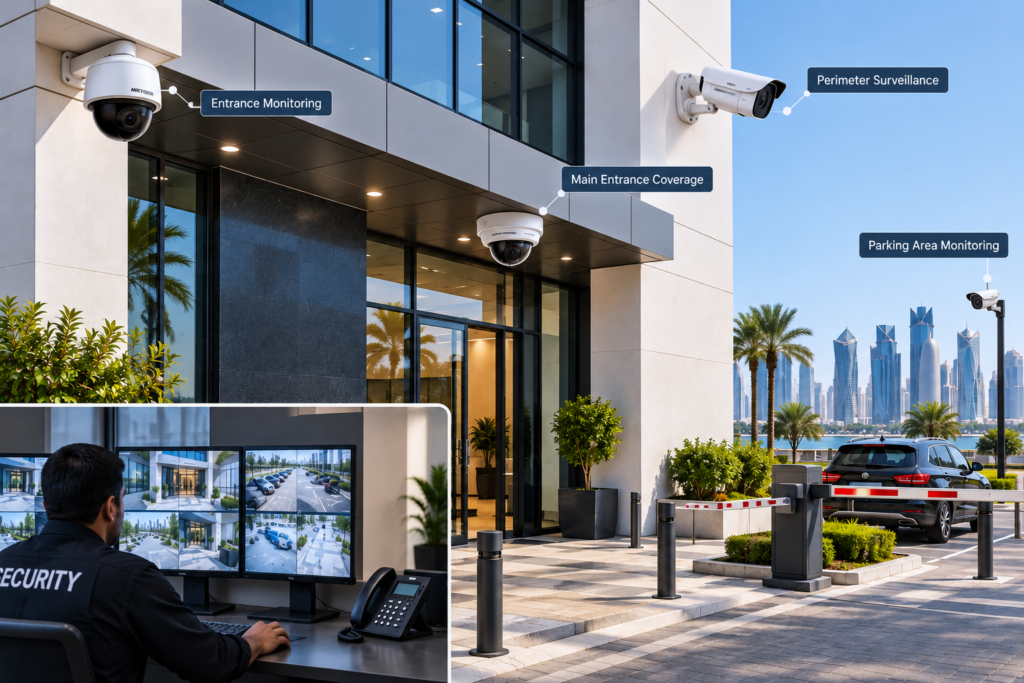
CCTV cameras can help businesses keep an eye on entrances, exits, reception areas, storage rooms, parking spaces, loading areas, and other locations where security matters.
They can also provide recorded footage when a business needs to investigate an incident, verify what happened, or review unusual activity.
But simply adding more cameras does not necessarily create better security. A smaller number of well-positioned cameras can sometimes provide more useful coverage than a larger number installed without a proper plan.
The right CCTV setup should therefore begin with the property itself, the risks involved, and what the business actually needs to monitor.
Understand Your Business’s CCTV Security Needs
Identify the Areas That Need Surveillance
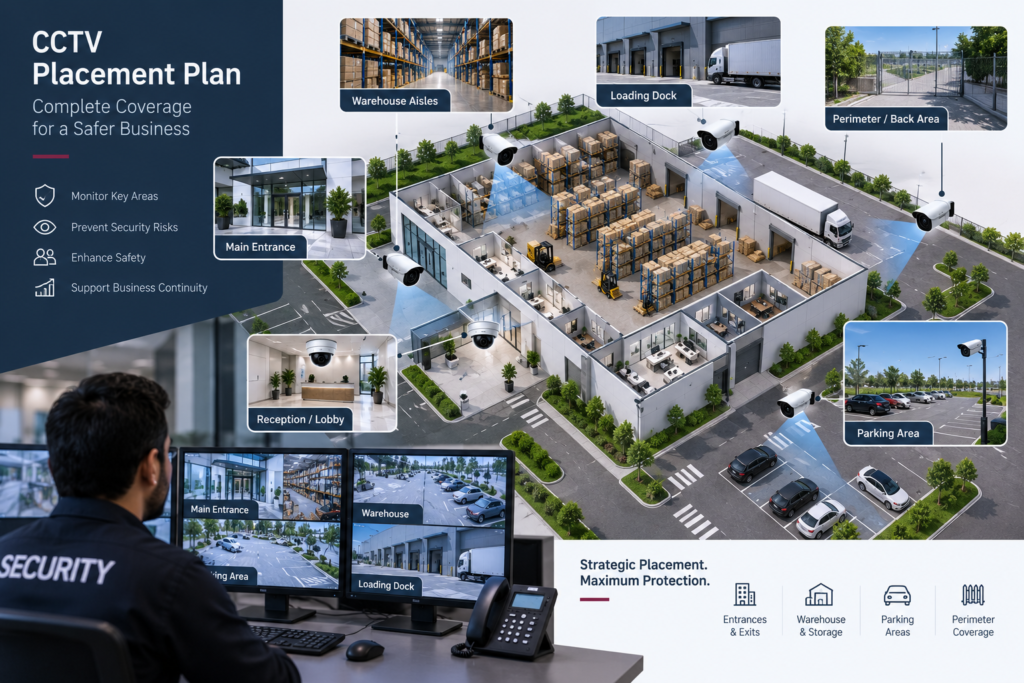
Start by walking through the property and identifying areas where surveillance would be most useful.
Depending on the business, these could include:
- Main entrances and exits
- Cash counters and payment areas
- Warehouses and storage rooms
- Parking and loading areas
- Reception desks
- Restricted-access areas
- Building entrances and perimeters
Creating a basic coverage plan before purchasing equipment makes it easier to determine where cameras are genuinely needed.
Determine the Level of Security Required
A small office does not necessarily need the same CCTV setup as a warehouse storing expensive equipment or inventory.
Consider the size of the property, operating hours, number of entrances, valuable assets, employee and visitor traffic, and how much detail the recorded footage needs to capture.
For example, a camera monitoring a building entrance may need to clearly capture faces, while a camera covering a large parking area may need a wider field of view.
Consider Indoor and Outdoor Coverage
Indoor and outdoor cameras face different conditions.
Outdoor cameras may need to handle Qatar’s heat, dust, sunlight, and changing weather conditions, while indoor cameras may need to blend into the environment without interfering with normal business activities.
Choosing cameras according to where they will actually be installed can make a significant difference in long-term performance.
Choose the Right Type of CCTV Camera
Dome Cameras
Dome cameras are commonly used inside offices, shops, reception areas, and other commercial spaces. Their compact design gives them a relatively discreet appearance and makes them suitable for areas where aesthetics matter.
Bullet Cameras
Bullet cameras are often used outdoors or in locations where a visible camera can act as an additional deterrent. They can be suitable for entrances, building perimeters, parking areas, and loading zones.
PTZ Cameras
PTZ, or pan-tilt-zoom, cameras can move across an area and zoom in on specific points. They can be useful for monitoring larger spaces, although they should not automatically replace fixed cameras where continuous coverage is important.
IP Cameras
IP cameras transmit video through a network and can support features such as high-resolution recording, remote viewing, and integration with other network equipment.
Businesses considering network-based CCTV solutions should also make sure their network has enough capacity and reliability to support the cameras.
Camera Placement and Coverage
Avoid Blind Spots
One of the most common CCTV mistakes is installing cameras without properly checking what each camera can actually see.
Corners, corridors, entrances, gates, areas behind large objects, and sections of a property outside the camera’s viewing angle can all create blind spots.
A proper site assessment can help identify these areas before installation.
Consider Lighting and Night-Time Visibility
Good lighting is just as important as choosing a good camera.
A camera facing direct sunlight may produce overexposed footage, while a poorly lit area may result in recordings where important details are difficult to identify.
For outdoor areas, businesses should also consider night-time visibility and whether infrared or other low-light capabilities are appropriate.
Plan Camera Positions Carefully
Camera height, viewing angle, distance from the subject, lighting, and the purpose of each camera should all be considered.
The aim is to make sure every camera has a clear purpose rather than simply installing cameras wherever there is available wall or ceiling space.
CCTV Storage and Recording Requirements
How Much Recording Storage Do You Need?
Storage requirements depend on several factors, including:
- Number of cameras
- Video resolution
- Frame rate
- Continuous or motion-based recording
- Required retention period
- Number of hours recorded each day
A business with several high-resolution cameras recording continuously will naturally require much more storage than a small office with a few cameras.
It is better to calculate storage requirements before installation than to discover later that the system cannot retain footage for as long as needed.
Local vs. Network-Based Storage
Businesses can use local recording devices, network storage, or other storage solutions depending on the size and requirements of the surveillance system.
For larger organizations, enterprise storage solutions can be considered when reliable storage, scalability, and data protection are important parts of the overall CCTV setup.
CCTV Regulations and Approval Requirements in Qatar
Understanding MOI CCTV Regulations
Businesses installing CCTV in Qatar should check the applicable requirements before finalising camera locations or purchasing equipment.
Qatar’s Law No. 9 of 2011 regulates the use of security and surveillance cameras and covers areas such as installation, operation, maintenance, recording, and access to recorded information.
The Ministry of Interior’s Security Systems Department is also responsible for relevant technical requirements and provides resources covering CCTV specifications and regulatory matters.
Businesses should therefore review the latest MOI CCTV requirements in Qatar before beginning an installation.
Why Compliance Should Be Considered Before Installation
Compliance is much easier to manage when it is considered during the planning stage.
Depending on the type of facility, applicable requirements can affect camera locations, technical specifications, recording arrangements, and other parts of the system.
For example, Qatar’s CCTV regulations include requirements concerning continuous operation and maintenance for facilities covered by the law.
Checking Required Approvals and Specifications
Requirements can differ depending on the type of establishment and the applicable regulations.
Before proceeding, businesses should verify the current requirements with the relevant authority and make sure their chosen equipment and installation approach meet the applicable specifications.
The Ministry of Interior’s Security Systems Department provides access to the official Qatar CCTV technical specifications.
Wired vs. Wireless CCTV Systems
Wired CCTV systems can provide dependable connectivity and are often suitable for permanent commercial installations.
Wireless cameras can offer more flexibility where running cables is difficult, particularly in certain existing buildings.
There is no single solution that works for every business. The choice should depend on the building structure, network availability, camera locations, security requirements, and plans for future expansion.
Remote Monitoring and Smart CCTV Features
Mobile and Remote Access
Modern CCTV systems can allow authorised users to view cameras remotely through suitable applications or network connections.
This can be particularly useful for business owners or facility managers who need to check their premises when they are away.
Motion Detection and Alerts
Motion detection can help draw attention to activity without requiring someone to watch every camera continuously.
Depending on the system, alerts can be configured for specific types of movement or activity.
Video Analytics and Other Smart Features
Some modern CCTV systems include features such as people detection, vehicle recognition, motion analysis, and other video analytics.
These technologies can be useful, but businesses should choose features based on actual security requirements rather than paying for advanced functions they may never use.
Choosing a CCTV Installation Company
What to Look for in a CCTV Installer
A good installer should be able to assess the property, understand the business’s security requirements, recommend suitable equipment, plan camera positions, configure recording, and provide support after installation.
A professional CCTV installation service should look at the complete surveillance system rather than treating every camera as a separate installation.
Why Professional Installation Matters
Poor installation can lead to cameras pointing in the wrong direction, weak connectivity, blind spots, recording problems, or equipment that does not perform as expected.
Professional planning and testing can help make sure the cameras, network, storage, and monitoring system work together properly.
CCTV Maintenance After Installation
Regular Camera and Recording Checks
Cameras can become dirty, misaligned, damaged, disconnected, or obstructed over time.
Regular inspections can identify these issues before they affect important footage.
Software, Storage and System Updates
The recording system, network equipment, storage devices, and related software should also be checked regularly.
Preventive maintenance for security systems can help keep CCTV infrastructure reliable and reduce the chances of unexpected problems.
Common CCTV Installation Mistakes Businesses Should Avoid
Some problems are surprisingly easy to prevent when CCTV installation is planned properly.
Businesses should avoid:
- Installing cameras without a coverage plan
- Focusing only on the number of cameras
- Ignoring lighting conditions
- Underestimating storage requirements
- Choosing equipment based only on price
- Forgetting about network capacity
- Overlooking applicable CCTV regulations
- Installing cameras without considering future expansion
- Neglecting maintenance after installation
The few hours spent planning a CCTV system can save considerable time and expense later.
Frequently Asked Questions
What Are the Regulations for CCTV Installation in Qatar?
Qatar regulates the use of security and surveillance cameras through Law No. 9 of 2011 and related technical requirements. The Ministry of Interior’s Security Systems Department oversees relevant requirements. Businesses should check the latest applicable regulations before installation.
Which Company Is the Best for Installing CCTV in Qatar?
The right installer depends on your property’s size, security requirements, camera locations, storage needs, and compliance considerations. Look for a provider that can handle site assessment, system design, installation, testing, and ongoing maintenance rather than simply supplying cameras.
How Can I Start a CCTV Installation Business?
Starting a CCTV installation business involves understanding the relevant licensing requirements, technical standards, equipment specifications, networking, cabling, installation practices, and local regulations. Anyone entering this field should also understand the requirements that apply to security surveillance systems in Qatar.
What Qualification Do I Need to Install CCTV?
The requirements can depend on the type of work and applicable regulations. CCTV installers should have practical knowledge of cameras, networking, cabling, recording systems, troubleshooting, and security-system installation, while businesses should also ensure that applicable approvals and requirements are followed.
How Often Should a Business CCTV System Be Maintained?
A CCTV system should be checked regularly rather than only when something stops working. Cameras, connections, storage, recording quality, software, and remote access should all be reviewed to make sure the system continues to perform properly.
Making the Right CCTV Choice for Your Business
A reliable CCTV system starts with understanding your property not simply choosing the cameras with the highest specifications.
Before making a purchase, think about which areas need protection, how much detail the cameras need to capture, lighting conditions, recording requirements, storage, network connectivity, remote monitoring, and the regulations that apply to your facility.
The goal is a surveillance system that provides useful coverage today while leaving enough flexibility for future needs. Good planning can help businesses avoid blind spots, unnecessary equipment, storage problems, and compliance issues.
If you are planning a new CCTV installation, start with a site assessment and coverage plan before selecting your equipment. It will give you a clearer picture of how many cameras you actually need, where they should be positioned, and what supporting infrastructure the system will require.